Lars Schmitz · 6 September 2026
Diaspora Digital Networks Safeguard Armenian Highland Trails From Climate Effects and Connect Villages to EU Markets
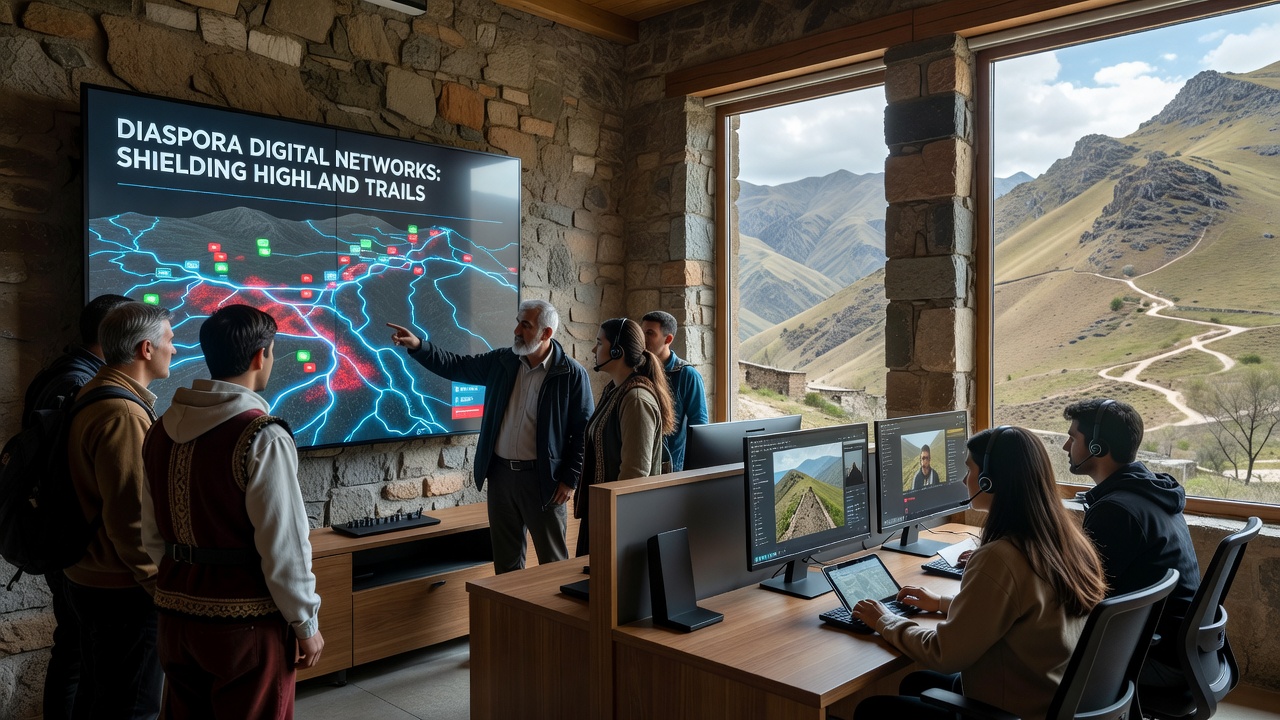
Armenian villages in highland regions have integrated diaspora digital networks to monitor and protect trails that face increasing erosion and weather variability while establishing connections to European Union trade channels for local products. These networks combine remote sensors, satellite data feeds, and community mapping platforms that track trail conditions in real time, allowing residents to respond to climate pressures such as heavier rainfall and shifting vegetation patterns.
Trail Protection Through Coordinated Digital Systems
Villages across the Armenian highlands now deploy networks supported by diaspora communities in multiple countries, and these systems gather data on trail stability, soil moisture levels, and temperature fluctuations that affect path usability throughout the year. Observers note that the integration of these tools began gaining momentum in 2024, when initial pilot programs linked village committees with technical experts abroad. Data from these sensors feed into centralized dashboards that alert local teams to emerging issues before they escalate into full blockages or safety concerns.
Researchers at academic institutions tracking highland ecosystems have documented how such monitoring reduces response times to weather events, and figures from regional environmental reports show measurable decreases in trail degradation rates where digital oversight operates continuously. The systems also archive historical patterns, which helps planners anticipate seasonal changes and allocate maintenance resources more effectively across remote sections of the trails.
Linking Highland Production to European Trade Routes
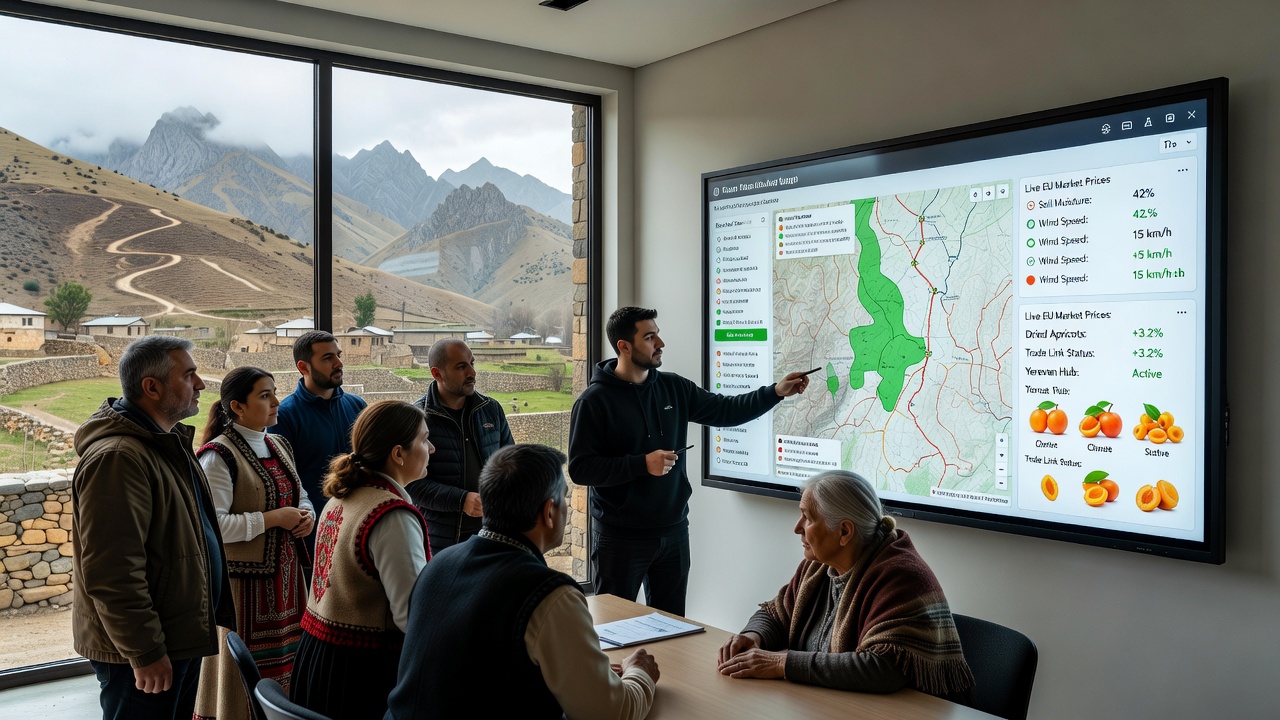
Alongside trail protection, the same digital infrastructure supports trade linkages by documenting product origins, quality metrics, and transport conditions that meet EU import standards. Farmers in participating villages upload details about herbs, dried fruits, and textile goods through secure portals that connect directly to European buyers, and this process creates traceable supply chains that satisfy regulatory requirements for market entry.
According to European Commission trade records, Armenian agricultural exports to EU member states have risen steadily since 2023 as certification processes become streamlined through digital verification. The networks allow producers to maintain compliance records without relying on distant administrative centers, which cuts delays and preserves product freshness during transit.
September 2026 Program Expansion Details
Plans scheduled for rollout in September 2026 call for additional sensor installations along secondary highland routes and expanded training sessions for village coordinators on data interpretation. These updates will incorporate refined climate modeling inputs from international partners, and they aim to extend coverage to trails previously monitored only through manual inspections. Officials coordinating the initiative report that the expansion builds on existing datasets to improve predictive accuracy for both trail maintenance and harvest timing that feeds into trade schedules.
Case examples from villages already using the networks illustrate how combined trail and trade functions operate in practice. One settlement near the central highlands used sensor alerts to reroute foot traffic around a newly formed erosion zone in early 2025, and the same platform later generated export certificates for a batch of mountain herbs that reached buyers in Germany within standard timelines. Similar patterns appear in other communities where the digital tools have become part of daily operations rather than separate projects.
Regional Data Sources and Technical Integration
Technical components draw from open-source mapping software adapted for high-altitude conditions together with hardware sourced through diaspora-funded procurement channels. Reports compiled by Environment and Climate Change Canada on comparable mountainous environments provide reference benchmarks that Armenian teams consult when calibrating their own sensor thresholds. This cross-regional knowledge exchange helps refine algorithms that distinguish routine seasonal shifts from longer-term climate trends affecting trail integrity.
Network operators continue to refine data-sharing protocols to balance local privacy needs with the transparency required for EU trade documentation. Training materials developed for village participants emphasize practical applications such as interpreting moisture readings to schedule safe transport windows or using origin logs to verify product batches. These steps maintain the dual focus on environmental protection and economic access without requiring external consultants for routine tasks.
Conclusion
The combination of diaspora-supported digital networks with local trail management and EU trade requirements demonstrates how remote highland communities can address climate pressures while participating in broader markets. Continued sensor deployment and data integration scheduled through 2026 will provide further records on effectiveness, and the existing framework already shows measurable outcomes in both trail preservation metrics and export volumes. Villages participating in these programs maintain operational control over the tools, which supports sustained use across varying seasonal conditions.