Lars Schmitz · 1 November 2026
Highland Communities Use Autumn Celebrations to Showcase Sustainable Practices Amid Shifting Climates and Growing Global Interest in Silk Road Legacies
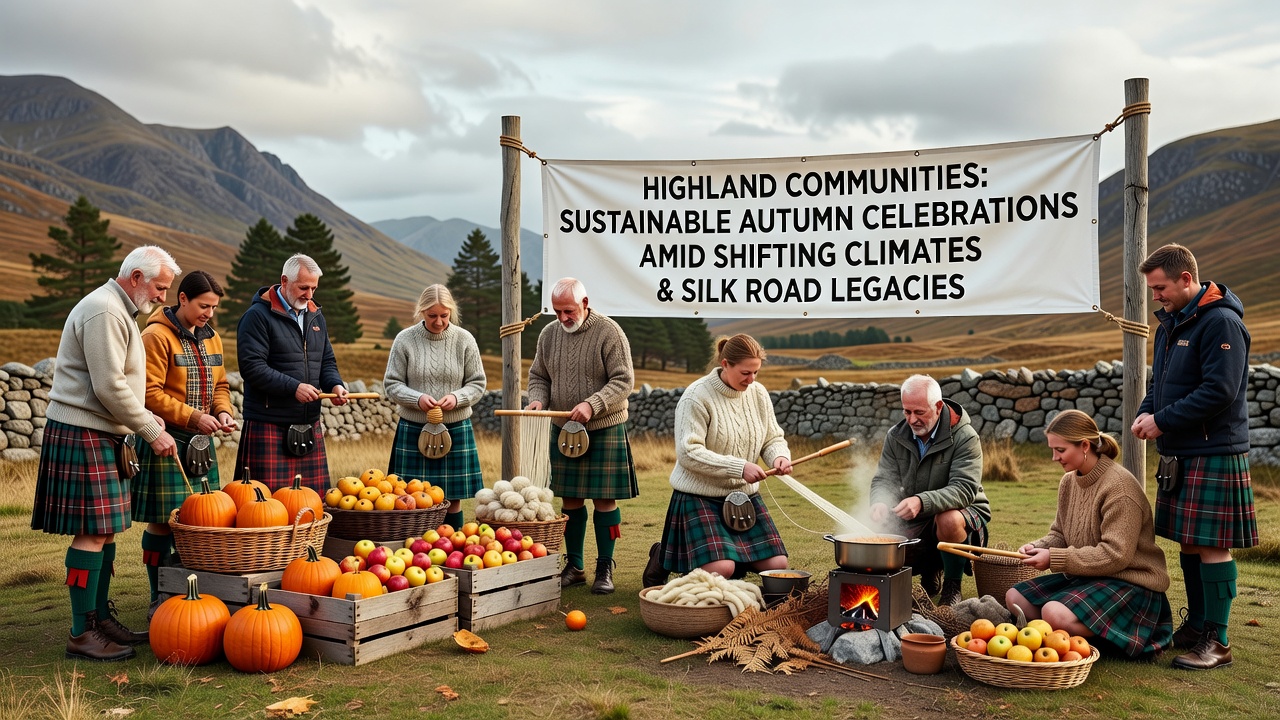
Highland communities across several mountain ranges have turned autumn gatherings into platforms for demonstrating practical responses to changing weather patterns while drawing attention to historical trade networks that once connected distant regions; these events combine demonstrations of resource management techniques with exhibits on ancient caravan routes and their modern relevance.
Seasonal Events Highlight Adaptation Strategies
Organizers in elevated settlements schedule multi-day programs each November that feature workshops on soil conservation methods adapted to irregular rainfall and temperature fluctuations recorded since the early 2000s, while parallel sessions present archival materials from Silk Road sites that illustrate long-standing practices of water sharing and crop rotation still in use today. Data collected by regional meteorological stations shows increased variability in first frost dates, prompting communities to adjust planting calendars and share findings through live demonstrations rather than written reports alone.
Practical Demonstrations Draw International Visitors
Attendees observe installations of small-scale hydropower units that power community centers without relying on distant grids, alongside displays of drought-resistant seed varieties developed through cross-border exchanges; these setups connect directly to stories of merchants who carried agricultural knowledge along the same paths centuries earlier. Research from academic teams tracking visitor numbers indicates a steady rise in participation from heritage organizations based in Asia and Europe, reflecting broader curiosity about how historical connectivity informs current environmental responses.
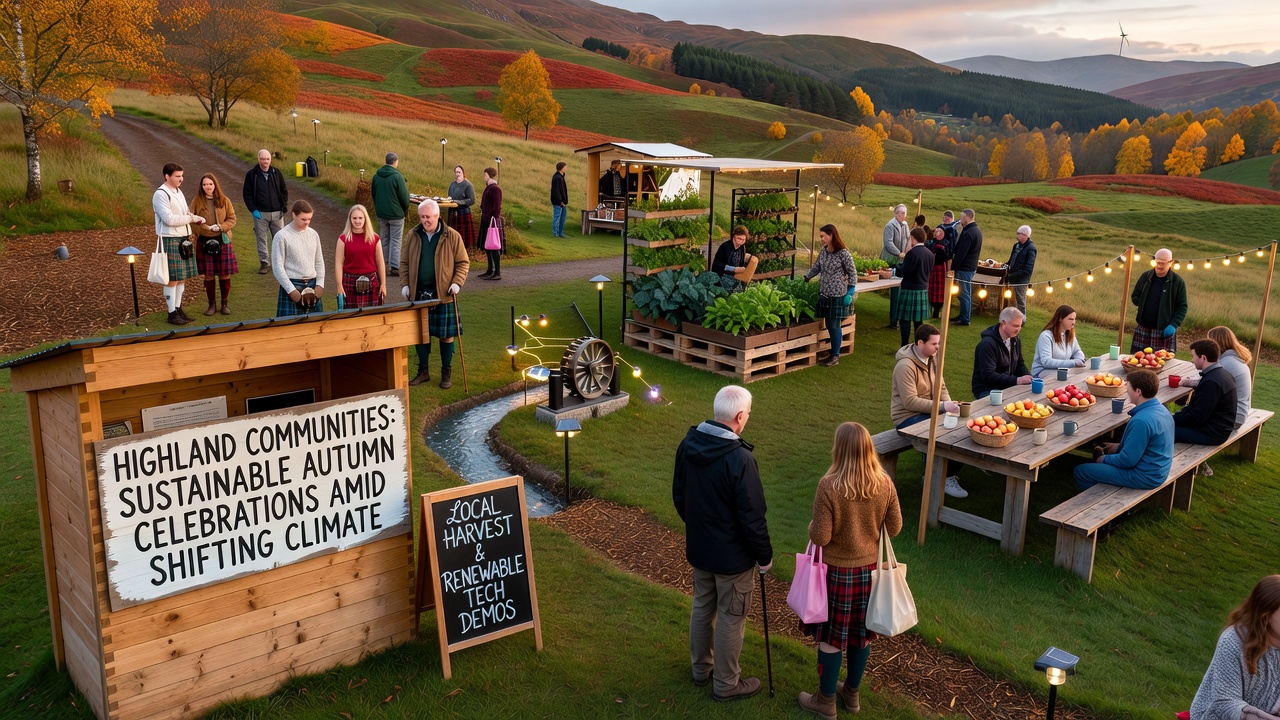
Local artisans present textiles and tools produced with low-impact materials that echo designs documented in traveler accounts from the medieval period, creating tangible links between past commerce and present efforts to reduce waste. Figures released by tourism boards in participating districts record that events held in November 2026 are projected to host representatives from at least twelve countries, many of whom arrive specifically to study how these communities integrate heritage preservation with climate adaptation measures.
Climate Data Shapes Festival Programming
Monitoring networks operated by national agencies have documented shifts in precipitation timing that affect high-altitude pastures, leading festival planners to include sessions on rotational grazing schedules and forage storage techniques that maintain livestock health during extended dry spells. According to records maintained by the United Nations Environment Programme, several highland zones now experience earlier snowmelt, which alters river flow volumes and requires updated irrigation designs showcased at these gatherings.
Exhibits also incorporate digital reconstructions of Silk Road waypoints that overlay current satellite imagery with historical maps, allowing visitors to compare vegetation cover changes over decades. Such presentations rely on datasets compiled by university consortia rather than single institutions, ensuring multiple verification points for the environmental trends discussed.
Heritage Elements Attract Broader Audiences
Interest in Silk Road legacies has grown through publications and online archives that detail economic exchanges across mountain passes, prompting festival committees to expand programming beyond agriculture into areas such as traditional medicine and textile dyeing methods that once traveled the same routes. Communities coordinate with cultural institutions to verify the accuracy of displayed artifacts, drawing on collections held in museums located in both source and destination regions of historic trade.
Panels scheduled for the 2026 cycle will address how knowledge of ancient waystations informs the placement of modern rest points for hikers and researchers, thereby supporting low-impact tourism that generates revenue without expanding infrastructure footprints. Reports from the Australian Department of Climate Change, Energy, the Environment and Water note parallel patterns in other mountain systems, where heritage-based events serve as testing grounds for sustainable visitor management.
Conclusion
Highland gatherings scheduled through November 2026 continue to function as venues where measurable adaptations to climatic variability stand alongside evidence of enduring trade legacies, creating records that other regions reference when developing their own response frameworks. The integration of live demonstrations with documented historical context supplies concrete examples of how past mobility patterns intersect with present environmental requirements.