Finley Fischer · 18 October 2026
Mountain Festivals Spotlight Alliances for Protecting Ancient Trade Routes
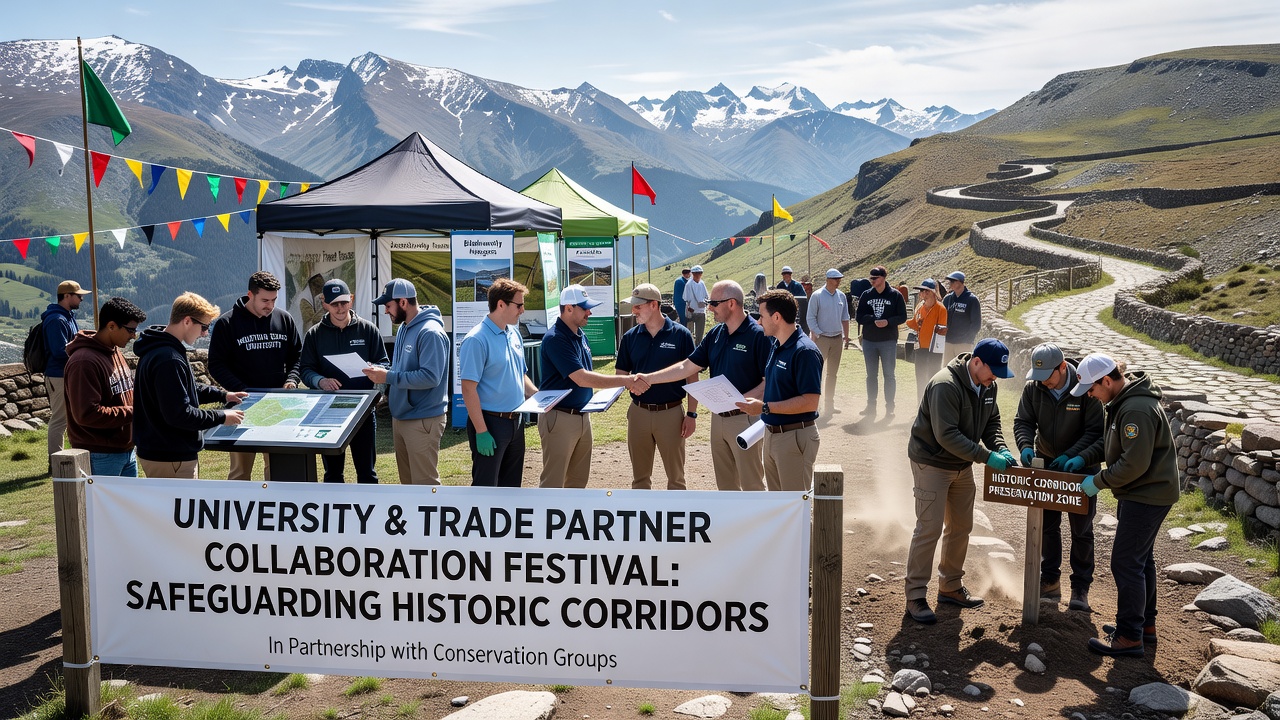
Events held across elevated terrains draw attention to coordinated work among academic institutions, commercial networks, and environmental organizations that focus on preserving historic corridors, and these gatherings combine cultural displays with practical planning sessions where data on trail conditions gets shared alongside strategies for sustainable use. Observers note that such festivals often occur in regions with long-established pathways that once served as vital links for exchange, while participants review updates on biodiversity monitoring and route maintenance efforts that integrate input from multiple sectors.
Key Partnerships Driving Corridor Protection
Universities contribute mapping tools and historical research that help identify vulnerable segments of these corridors, and trade partners supply materials plus logistical support for repairs that align with market access goals, whereas conservation groups apply guidelines to minimize ecological disruption during any restoration activities. Data from collaborative projects shows how combined resources have supported trail stabilization in several mountain zones, and researchers have documented reduced erosion rates in areas where joint monitoring programs operate year-round. Trade adjustments in recent years have prompted new linkages between local producers and broader markets, which in turn creates incentives for communities to maintain access routes that double as heritage assets.
Regional Examples of Festival Initiatives
In the Andes, assemblies scheduled around harvest periods feature workshops where academic teams present findings on pre-Columbian pathways alongside conservation assessments that highlight species protection needs, and trade representatives discuss export opportunities tied to sustainably managed corridors. Similar patterns appear in Alpine settings where festivals incorporate sessions on transboundary route management, and evidence indicates that these events have facilitated agreements between institutions in neighboring countries for shared data platforms. Himalayan gatherings bring together diaspora networks with local groups to address climate-related challenges, and studies reveal that such collaborations have led to targeted funding for trail reinforcement projects that also support village connectivity. One case involved a multi-year effort where university-led surveys combined with conservation protocols resulted in updated corridor inventories that trade partners then used to plan eco-certified transport options.

What's notable is how these festivals serve as hubs for exchanging practical knowledge, and attendees often leave with action items that span research updates, commercial commitments, and conservation benchmarks. Reports from field teams indicate measurable progress in areas where repeated gatherings have reinforced ongoing partnerships, and figures from monitoring stations show stabilized conditions along segments that received coordinated attention.
Looking Ahead to October 2026 Events
Preparations for October 2026 festivals already include expanded digital components that allow remote input from additional universities and trade entities, and conservation organizations plan to release preliminary findings on corridor resilience during these assemblies. Such timing aligns with seasonal weather windows that permit field demonstrations, while organizers coordinate with regulatory bodies to ensure compliance across different jurisdictions. Data collected in advance suggests these upcoming events will build on prior successes by incorporating new sensor technologies for real-time trail oversight.
Conclusion
Overall patterns across multiple mountain regions demonstrate that festivals function as catalysts for sustained collaboration among the involved parties, and continued integration of academic, commercial, and environmental perspectives supports long-term safeguarding of historic corridors. Information shared at these events contributes to broader networks that connect local efforts with international frameworks, according to sources such as the UNESCO World Heritage Centre and IUCN reports. This approach maintains focus on factual outcomes from joint initiatives without overlooking the logistical and ecological factors that shape corridor management.