Lars Schmitz · 3 October 2026
Seasonal Highland Gatherings Highlight Armenian Strategies for EU Trade Integration and Heritage Trail Protection
Armenian communities in the highlands have organized seasonal gatherings for generations and these events now serve as platforms where participants discuss connections to EU markets alongside efforts to maintain historic trails, according to records from regional coordination groups. Gatherings typically occur during spring and autumn transitions when weather allows safe travel across elevated routes, and attendees review data on trade opportunities that link local producers with broader European distribution networks while addressing the need to document and repair paths used for both commerce and cultural continuity.
Structure of Highland Gatherings
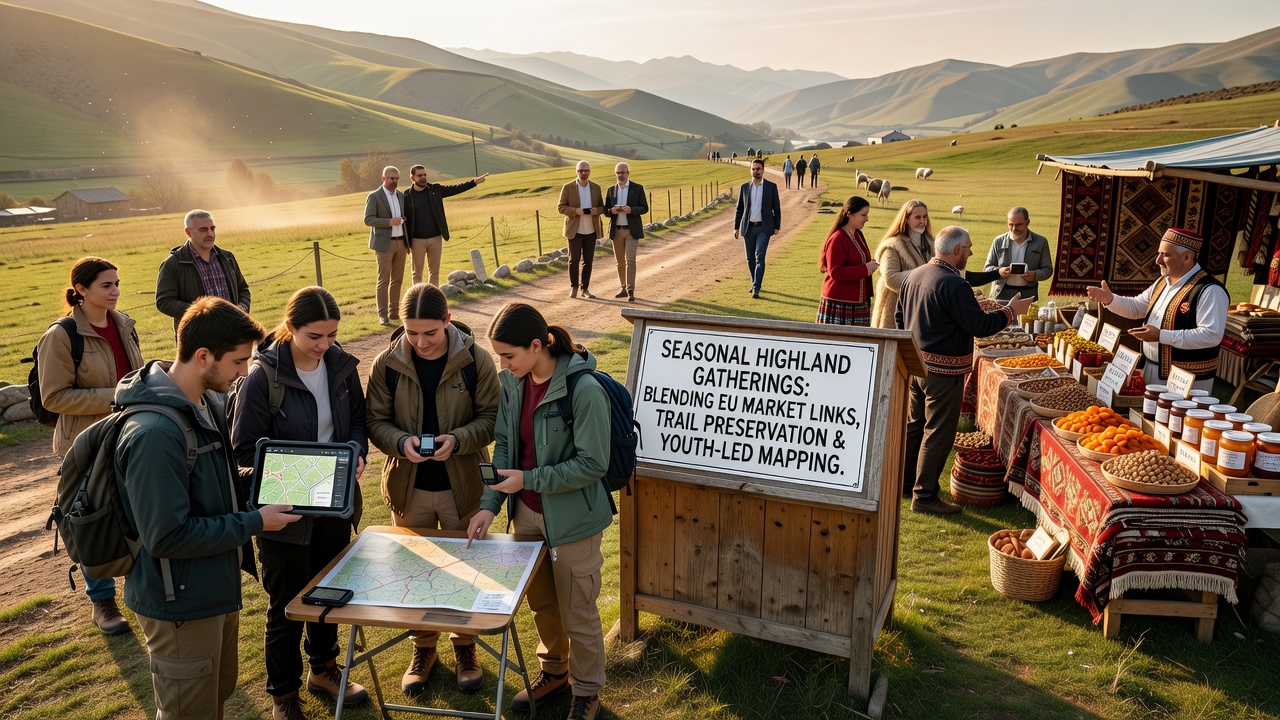
Local organizers coordinate multi-day meetings in central highland locations where farmers, trail guides, and municipal representatives review seasonal harvest figures and plan joint initiatives; these sessions incorporate presentations on EU regulatory standards for agricultural exports, and participants examine how improved trail access can reduce transport times to collection points that feed into certified supply chains. Data compiled over recent years shows increased participation from villages that have established direct linkages with EU buyers, and the meetings allocate time for demonstrations of basic mapping techniques that younger residents apply to update route records.
Integration of Market Links and Trail Work
Communities blend EU market connections with trail preservation by treating documented paths as infrastructure that supports both economic activity and environmental monitoring; for instance, segments of ancient highland routes now carry produce destined for European retailers, and maintenance crews use the same corridors to collect biodiversity observations that satisfy EU sustainability requirements. Reports from the European Commission trade policy documentation indicate that Armenia's agricultural exports to EU member states have expanded steadily, and highland groups have responded by prioritizing trail segments that align with certified collection hubs. Youth teams contribute by generating digital overlays that mark both commercial waypoints and protected zones, allowing planners to balance traffic loads with conservation zones.
Youth-Led Mapping Components
Younger participants receive training in geographic information systems during the gatherings, and they apply these skills to create layered maps that record trail conditions, vegetation changes, and access points relevant to market logistics; the resulting datasets circulate among participating villages and support grant applications for repair projects funded partly through EU partnership programs. One documented case involved a cohort from a central highland district that produced updated trail inventories in 2025, and those materials informed subsequent decisions on which routes to reinforce before the 2026 harvest season. Observers note that the mapping work often occurs in tandem with discussions on market timing, so that trail upgrades coincide with periods of peak export demand.
Events scheduled for October 2026 will expand the youth mapping component by introducing satellite-assisted verification sessions, and organizers expect representatives from additional districts to attend after preliminary data sharing through regional networks. These sessions will review how previous mapping outputs influenced trail repair allocations and will examine correlations between improved access and export volumes reported by local cooperatives.
Examples from Specific Gatherings
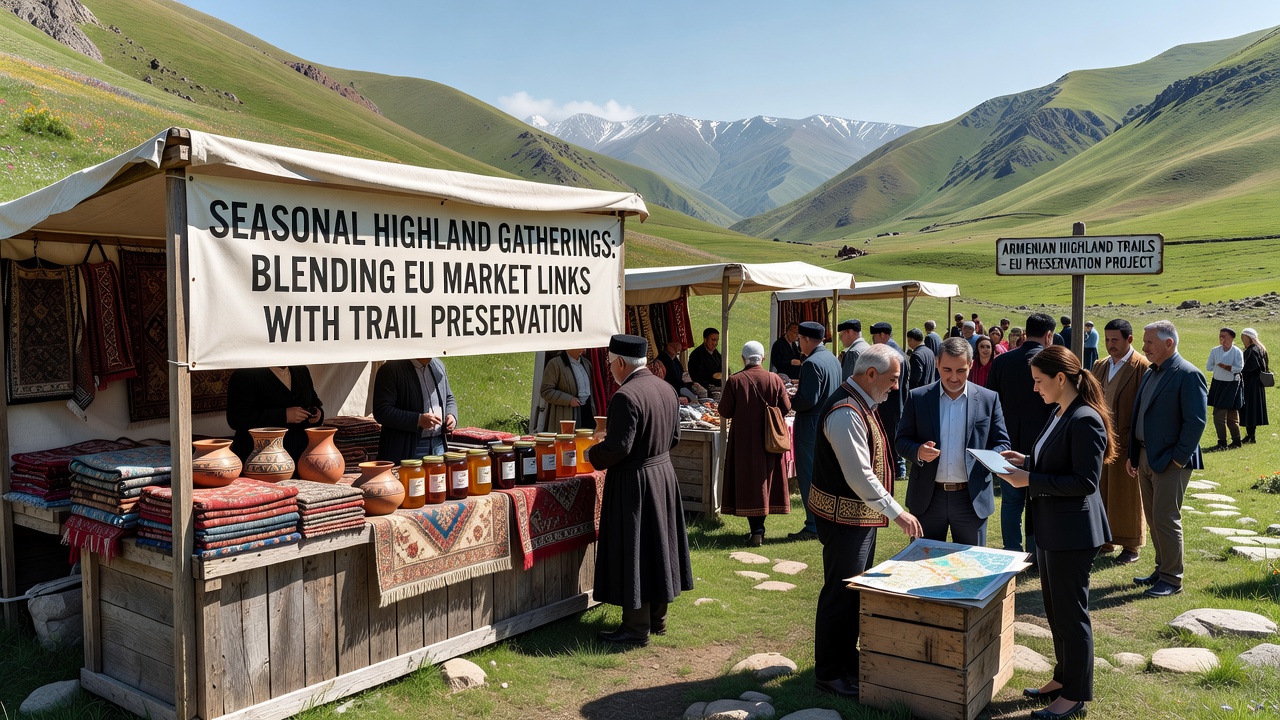
During a 2024 autumn meeting in one eastern highland cluster, attendees reviewed export figures for dried fruits and herbs that travel along maintained routes, and they allocated resources to stabilize a section prone to erosion that had previously delayed shipments; the same group incorporated youth-generated maps that flagged adjacent areas for limited access to protect rare plant species. A parallel gathering in a western district focused on dairy product linkages to EU processors and combined those talks with hands-on exercises in route documentation that identified alternative paths for winter use. Such cases illustrate how the seasonal format allows communities to address immediate market logistics while advancing long-term trail stewardship through consistent youth involvement.
Coordination between gatherings occurs through shared repositories where updated trail information and market contact lists remain accessible to authorized village representatives; this arrangement reduces duplication of mapping efforts and ensures that preservation priorities reflect both ecological data and commercial requirements. Figures released by the Armenian Ministry of Economy show continued growth in certified export volumes, and highland participants attribute part of that trend to the reliable trail conditions maintained through these recurring events.
Conclusion
Seasonal highland gatherings function as recurring venues where Armenian communities align EU market participation with trail preservation and youth mapping programs, and the October 2026 cycle will continue this pattern by incorporating new verification tools and broader district representation. The approach relies on factual exchanges of trade data, route inventories, and repair plans rather than separate initiatives, allowing the same physical paths to serve economic and conservation purposes simultaneously. Continued documentation of these activities provides a record of how highland groups adapt established meeting structures to contemporary requirements.